

Bean to Cup Filter Coffee Machine
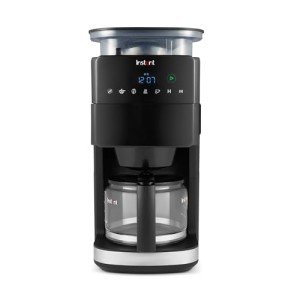
A bean-to-cup filter coffee machine is a top quality, self-service solution for workplaces. It also has a fast service time for drinks and can conserve energy when you enter eco-mode.
They are simple to use, and they provide reliable results. You just put the beans in the hopper, then swipe to select the drink you want. Then, you'll have to wait.
1. Simple to use
In contrast to traditional coffee machines bean to cup filter machines provide completely hands-free. Bean to cup machines are different from espresso machines that require the user to manually fill the portafilter with ground coffee and then tamp, lock, and knock the coffee into a knockbox (similar to the way baristas do it). Instead the bean to cup machines make use of a hopper and grinder, and do everything automatically. The user just must select the beverage they would like to drink and the machine will take care of the rest. This includes emptying the cake tray as well as refilling water.
The top bean-to-cup machines have a variety of pre-programmed beverages, so you just have to tap or swipe on the glass touch screen to get your coffee ready in a matter of seconds. However, if you have a specific preference for the coffee you drink, many machines will allow you to alter the drink settings.
Most bean-to-cups have steam wands that allow you to create classic milky beverages like cappuccinos or lattes. Some models have drip trays or spouts that can be adjusted that are dual-height, which is useful if you serve different sized mugs.
Sage Barista Touch impress is a premium bean-to-cup machine with a wide array of features. It is simple to use and offers a large number of options. It can handle all the basics starting with making the flat white, cappuccino, or Latte to making the basic espresso and will guide you through each step with a beautiful touchscreen display in color.
Most of the best machines to make coffee in a cup have different grind settings. This lets you alter the size and flavor of your coffee beans. They also come with a range of pre-programmed drinks. Depending on the model, may even have a dedicated application that will guide you through how to use them. Many of these apps also serve as reminders to clean the machine and empty the waste bins, and replace the water tank.
2. Versatile
The most modern bean-to-cup coffee machines can make both espresso and coffee-based drinks. Some can even make cappuccino and ristretto type coffees. If you want to make the more niche coffees that you can find in coffee shops, you'll require more specialized options. These machines make use of ground coffee instead of pre-packaged pods, and provide more flexible settings than pod based models. coffee maker drip can choose from a variety of roasts, grind size and aromas and you can also adjust the strength of your drink to suit your taste.
The majority of bean-to-cup machines can be used with coffee beans and cartridges. However, you may prefer to use pods or ground coffee. Ground coffee is more flavorful and can be adjusted to produce stronger or weaker brews and is often cheaper over time than pods of coffee. If you really can't decide whether to go with ground coffee or not, then you should consider an option that works with both as this will provide you with the best of both worlds.
Many of the most modern coffee machines come with an integrated milk steamer that can be used to froth or texturize your drink of choice. This is a must for those who want to be able to make milky coffees like cappuccinos or lattes and is a great method to develop basic barista skills at home.
Most coffee machines will also have saved settings that allow you to select the beverage you prefer with a single touch. This ensures that the same quality is produced every time. This is an excellent benefit as it eliminates the uncertainty, and makes sure that every cup of coffee is flawless.
A fully automated bean-to-cup machine is a fantastic choice for a busy café, restaurant, or office. It offers an unmanned experience and can be stocked with your preferred beans to ensure you have fresh, top quality coffee on hand. A precise brewing system maximizes profits and minimizes waste. It also gives your customers that coffee shop taste.
3. Easy to clean
A bean-to-cup coffee machine uses a completely different extraction system than traditional machines. Instead of using a portafilter, which is dosed manually (the correct amount of ground coffee is added), tamped and locked into the group, these machines utilize a gearing mechanism to 'dose' the ground coffee, which is then tamped before being pushed into knock boxes. This means that the process is more efficient and takes less time than preparing a single portafilter for each drink.
It is also easier to clean a bean to cup machine due to the difference in extraction. It is essential to clean your commercial coffee machine daily, whether you use pre-ground or fresh beans. Cleaning and descaling regularly on your commercial coffee machine will help reduce call-out fees and ensure it's working optimally.
Modern bean-to-cup filter coffee machines have an integrated descaling program that will notify you when it's time to do so. This should be undertaken once a month, or more frequently in the event that your water is hard. Some manufacturers offer coffee machine water filters that can lower calcium levels, thus preventing the build-up of dangerous limescale.
Cleaning your milk system regularly is also essential, in order to eliminate bacteria and degrease the system. Most modern bean to cup coffee machines have integrated automatic programmes for rinsing and cleaning the milk system. These programmes make use of antibacterial fluids to get rid of bacteria from the system.
You should also clean the brewgroup mesh once a month, since it can easily get blocked with coffee oils. This can lead to unbalanced extraction and an adverse impact on the flavor of your coffee. You can easily remove the brew group of the machine, and soak it overnight in water with a cleansing tablet that is dissolved within. This will help remove any unwanted coffee residues and keep your brewing process constant.
4. Easy to maintain
If you don't take care of cleaning and descaling your bean-to- cup filter coffee machine then limescale will accumulate on heating elements and boilers. This will cause a gradual loss in efficiency, and over time could cause permanent damage. To prevent this from happening, you should make sure to regularly use a hard and limescale water filter in order to reduce the amount of minerals circulating into your machine.
It is also worthwhile investing in a specific descaling program to eliminate any calcium deposits. This should be done at least once a week or more frequently depending on the way you use your dishwasher.
Unlike traditional espresso machines, bean-to-cup filters don't require a barista for the manual dosing and tamping of a portafilter for every coffee, since they're completely automated. This makes them easier to use and is especially crucial if you have staff who aren't trained as baristas.
One of the main advantages of a bean-to-cup coffee machine is that they are simple to clean. They usually come with automatic cleaning and descaling functions as standard, which can be accessed by the push of one button, making them easy to maintain. It's still worth having an annual service plan for your bean to cup coffee machine, however it will ensure that any issues are dealt with quickly and efficiently.
It is important to clean your milk system on a regular basis using a machine-friendly cappuccino cleaner. This will prevent blockages and ensure you are following health and safety guidelines.
In general it is recommended to run a cleaning cycle every day. This is vital as it will ensure that your machine is in optimum working order which will allow you to serve drinks of excellent quality.
In addition, you should also aim to descale your coffee maker every week or more. If you don't do this then a thick layer of sludge will develop on the inside surfaces that can't be removed even with the most powerful descalers. Make use of a hard-water and limescale filter in your coffee maker to reduce the amount minerals that are introduced into it.